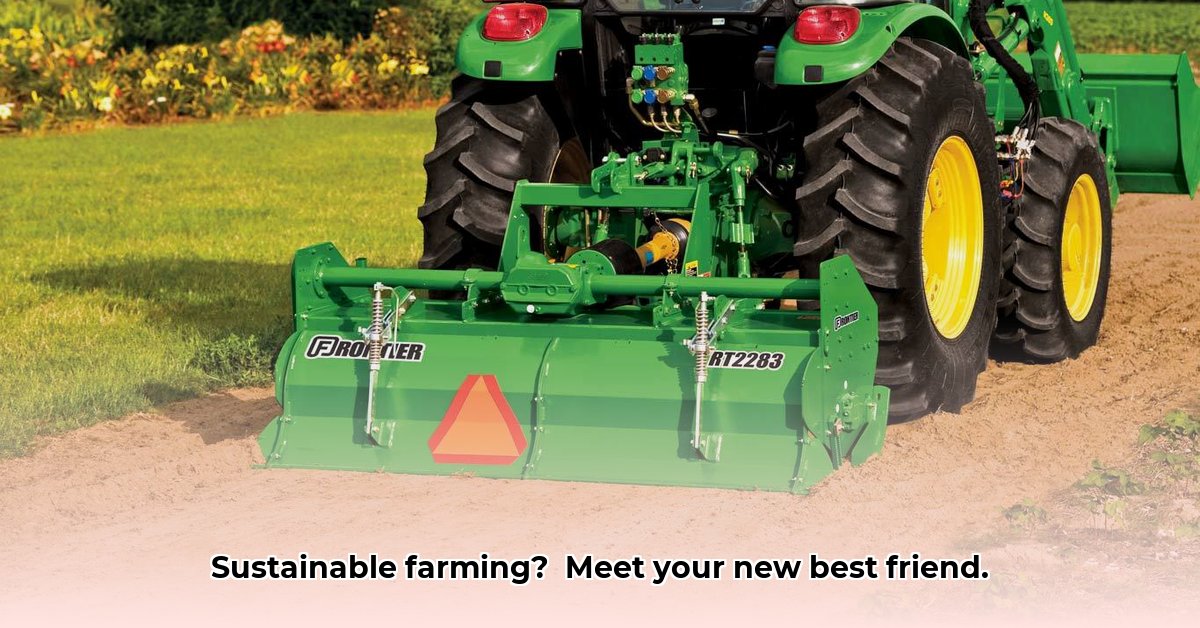
The John Deere X350 lawn tractor, particularly when equipped with a rototiller, presents a compelling case study in the intersection of agricultural technology and sustainable practices. While its efficiency in smaller-scale farming is evident, a comprehensive evaluation requires a nuanced understanding beyond fuel economy. For comparison, consider other tiller options like those found on Kubota tillers.
Product Overview: The John Deere X350 and its Features
The John Deere X350 boasts a 21.5 horsepower engine and an efficient cutting deck, making it a powerful tool for various tasks. Its compact size and maneuverability are particularly beneficial in orchards and vineyards, where space is often limited. This efficiency translates to potential fuel savings, directly impacting the environmental footprint of operations.
Sustainability Analysis: A Deeper Dive
While the X350's fuel efficiency is readily apparent, a true sustainability assessment demands a broader perspective. This necessitates a comprehensive lifecycle assessment (LCA), considering factors from raw material sourcing and manufacturing processes to end-of-life management. Currently, a complete X350 LCA is unavailable, hindering a precise calculation of its environmental impact.
Resource Efficiency and Emissions
The X350's reduced labor requirements compared to manual tillage significantly impact resource use and potentially curtail greenhouse gas emissions. However, the energy consumed during manufacturing, transportation, and the eventual disposal of the tractor must be factored into the equation. It's a complex calculation weighing operational efficiency against the embedded environmental costs of production and end-of-life. Could improved recycling practices offer a partial solution?
Precision Agriculture Integration
The X350 might integrate with John Deere's precision agriculture systems, optimizing resource use through enhanced data management. Precision farming optimizes fertilizer and water usage, reducing waste and furthering sustainability goals. The degree of this integration, however, depends on the specific implementation and farm size. Large-scale operations may benefit more significantly.
Limitations of the X350 in Sustainable Agriculture
Although the X350 offers potential for sustainability improvements, limitations exist. The manufacturing process inevitably involves energy consumption and resource depletion. The tractor's longevity helps mitigate impacts, but initial production energy remains a significant factor. Furthermore, the environmental impact varies greatly depending on the specific geographic application and how effectively it integrates with broader sustainable farming practices.
Stakeholder Impact: A Multifaceted Perspective
The X350's impact extends to various stakeholders:
- Farmers: Benefit from increased efficiency and potentially lower labor costs, though the initial investment is significant.
- John Deere: Achieves increased sales and reinforces its position in the market, while facing pressure to improve sustainability across its product line.
- Policymakers: Must consider the environmental implications when developing regulations affecting agricultural machinery.
- Consumers: Increasingly demand more transparent information about the environmental aspects of products, driving manufacturers toward greater sustainability.
Future Outlook: Adapting to a Changing Landscape
The future of sustainable agriculture depends on technological innovation and responsible practices. Will the X350 and its successors continue to meet environmental standards? This hinges on ongoing research into sustainable materials and manufacturing, as well as the evolving regulatory environment. The X350s success can be measured by its integration into more holistic, sustainable farming strategies.
Key Takeaways:
- The John Deere X350 offers potential benefits for sustainable farming, particularly in terms of reduced labor and fuel efficiency.
- A comprehensive lifecycle assessment (LCA) is crucial for a complete understanding of its environmental impact, but currently lacks readily available information.
- The integration of the X350 with precision agriculture technologies holds significant potential to promote responsible resource use.
Actionable Steps:
- Conduct a comprehensive LCA: John Deere should prioritize publishing a detailed LCA for the X350 to provide transparent data concerning its environmental impact.
- Enhance Precision Agriculture Integration: Invest in user-friendly data integration tools to ensure seamless data exchange between the X350 and larger-scale precision agriculture systems.
- Promote sustainable farming practices: John Deere should educate farmers on optimal usage strategies to maximize the environmental benefits of the X350.
This analysis highlights the complexities of evaluating the sustainability of agricultural machinery. The John Deere X350, while demonstrating potential, underscores the need for holistic approaches and continuous improvement in sustainable manufacturing and farming practices.